

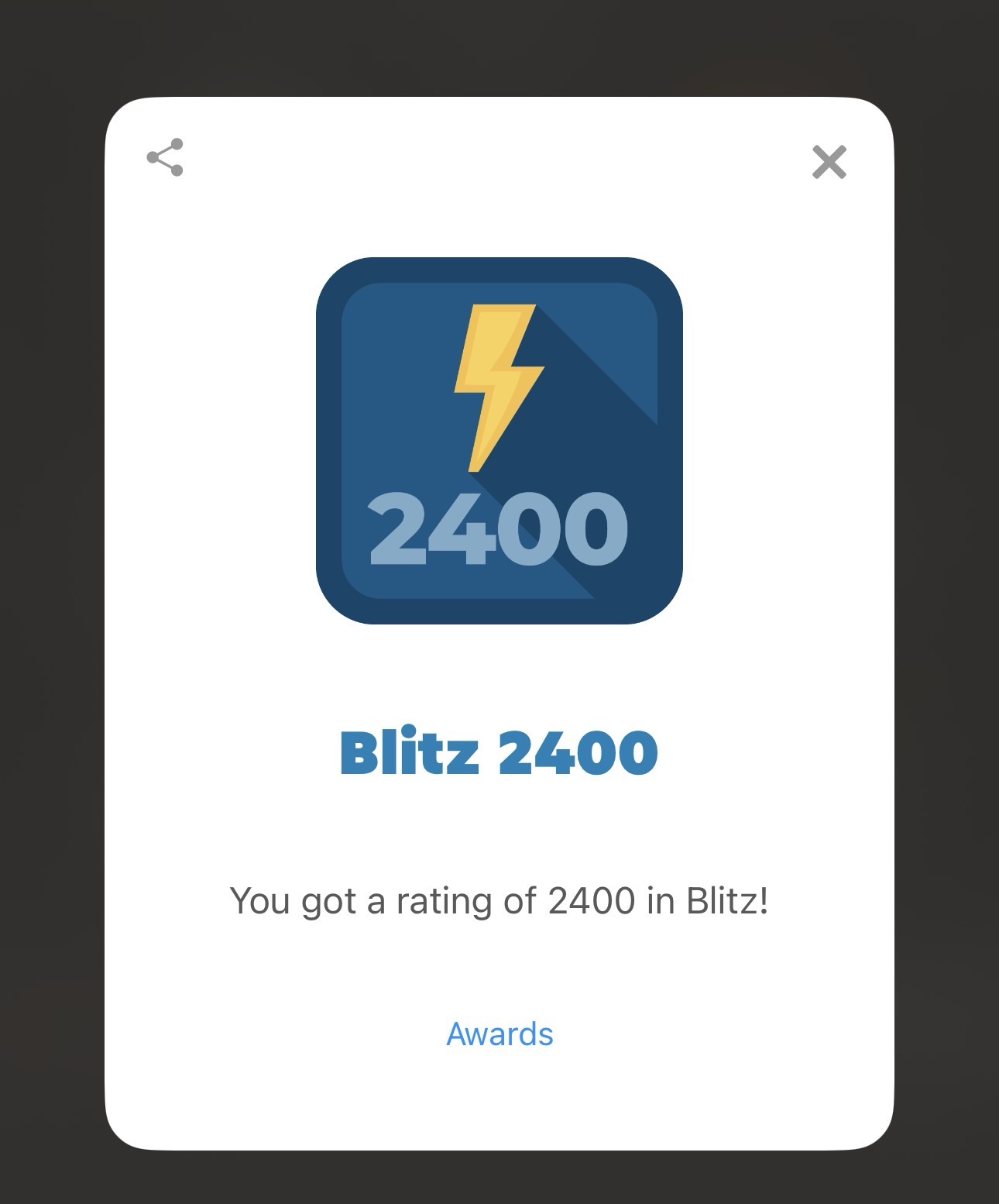
Although I had known chess long before, it was about eight years ago – after moving to Finland – that I started playing online consistently. Earlier at school, chess was a casual hobby while most of my focus went into academics and later work.
Once I played regularly, my rating climbed steadily from around 1700 and eventually stabilized between 2000-2100. For a long time, that felt like my natural ceiling. I was playing a lot, but improvement had slowed and results became repetitive.
The breakthrough came when I stopped treating games as isolated experiences and started treating them as data, much like how I approach problems in software engineering.
- Using AI to Turn Games into Data
AI analysis helped me objectively assess strengths and weaknesses. Across many games, patterns became clear: I consistently performed well in openings that fit my style, such as the Sicilian Defense and Caro-Kann structures from the White side, while struggling more in others like the Queen’s Gambit and English Opening.
This feedback removed guesswork. Instead of memorizing lines, I focused on typical plans, recurring mistakes, and key ideas in weaker structures.
- Training at the Right Difficulty with AI Bots
I trained against AI bots rated 100-200 Elo above me – strong enough to punish mistakes but still beatable. For example, at 2200 I played Arjun (2300), and later Anna (2400). These games were competitive, focused, and ideal for improving blitz consistency.
- Pattern Recognition through Puzzles and Endgames
AI-driven puzzles and endgame training accelerated pattern recognition. Chess.com’s newer puzzle rating system – closer to Elo/Glicko – also helped match puzzle difficulty to skill level, making training more effective.
With deliberate practice and AI-assisted feedback, that ceiling finally moved! Recently, I broke 2400 Blitz on Chess.com.
This isn’t grandmaster level, and of course the online skill is not convertible to over-the-board chess, but it places me roughly in the top 0.1% of blitz players on Chess.com – a milestone worth celebrating after a long time 🤩

More than the number itself, this journey reinforced a belief I strongly hold:
Natural aptitude does not always decide. with good practice, strong feedback loops, and focused learning, one can still accelerates their improvement and breakthrough their limit


Most Commented Posts